Badgeflüster at Tiamont
Badgeflüster at Tiamont




You will also find our recommended product.
Approx. 2-minute read
If you value well-maintained joints, choose a suitable material. Epoxy grout, also called epoxy resin grout, can offer advantages in resistance, cleaning and design, depending on the product. This article explains what matters when choosing and using it and which premium product we recommend.
The 2K epoxy grouts described here contain a resin component and a hardener component. Selected and applied correctly, they can form resistant, decorative joints; their properties depend on the specific product and use.
2K epoxy resin grout and hardener (reactive mixing component)
Mix components A and B uniformly in exactly the ratio specified by the manufacturer. The hardener reacts with the resin and is not an additive that can be dosed freely. Follow the product instructions and the protective measures in the safety data sheet.

2K epoxy resin grout and hardener (reactive mixing component)
+ Design versatility
The wide choice of colours and effects lets you create harmonious transitions or striking accents, framing tiles and mosaics in style.
+ High resistance and durability
Epoxy grout can offer high resistance to certain chemicals, moisture and abrasion. The manufacturer's specifications for the substance, concentration, temperature and contact time, and approval for the particular project, are decisive.
+ Cleaning
A dense, smooth grout surface can make cleaning easier. Use cleaners and tools suitable for both grout and covering; maintenance requirements and appearance also depend on use and application.
Possible uses are listed below. Suitability must be demonstrated by the relevant manufacturer and system approvals, especially for swimming pools, medical settings, food contact and sensitive stone. Grout does not replace required structural waterproofing.
Bathrooms: For suitably planned shower and bath areas: care requirements and colour stability also depend on the product, application and use.
Kitchens: Splashbacks and worktop details look flawless and are easy to clean day to day.
Swimming pools and spas: With explicit approval for pool water and the maintenance products used: an option for elegant wellness surfaces.
Outdoor areas: For terraces and balconies that withstand the weather gracefully.
Medical settings and laboratories: For appropriately approved uses where hygienic surfaces and easy maintenance matter.
Hospitality and food areas: Select for the relevant wear and cleaning; food contact requires appropriate suitability – for busy areas.
Epoxy grout is the refined connecting element that turns beautiful tiles into a harmonious setting. It works precisely, retains its shape and lets materials shine, from classic to extravagant.
Ceramic tiles
For stylish floors and walls: the grout joint is neat, even and colour-stable – ideal when a well-maintained appearance and easy cleaning are equally important.
Porcelain tiles
The grout complements these tiles' impressive density with matching elegance: clear lines, balanced transitions and joints that cope confidently with high-traffic areas.
Mosaic tiles
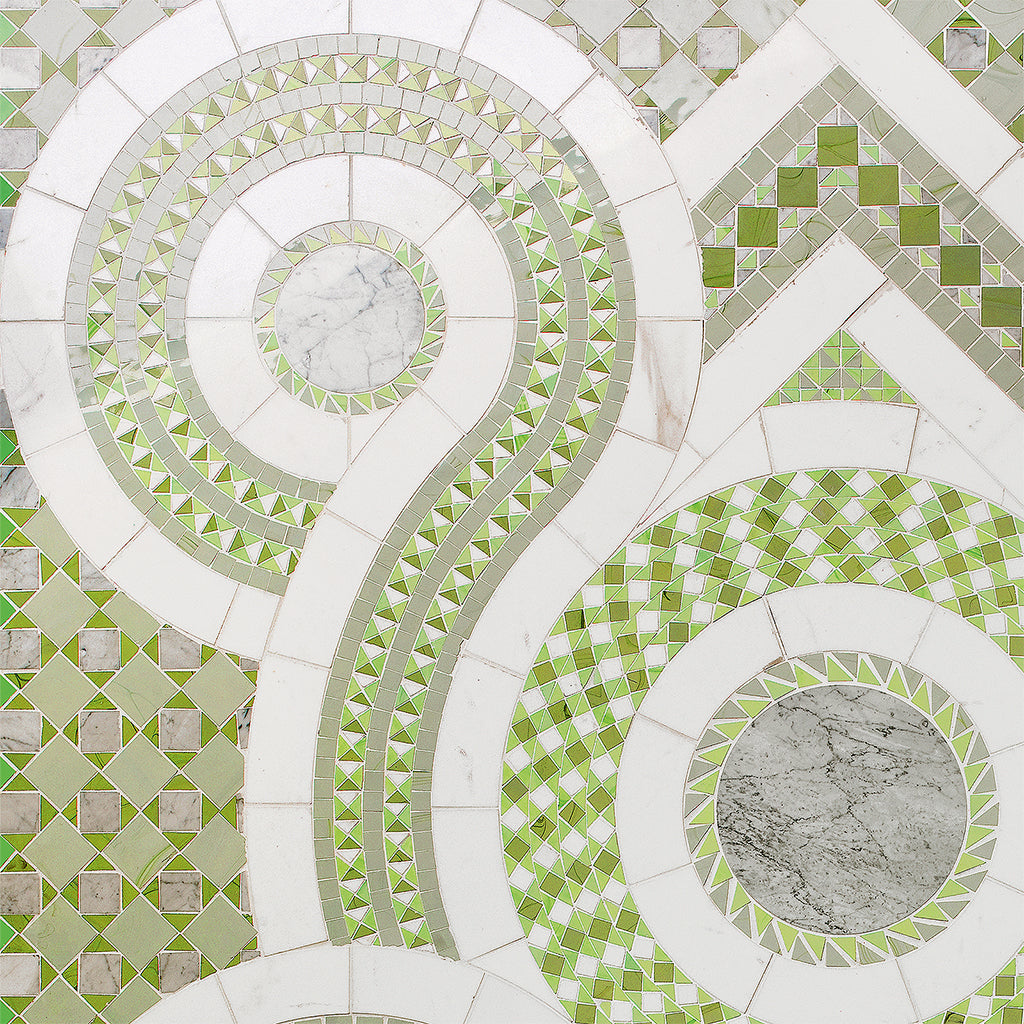
Small pieces, big impact: grout suitable for the mosaic and joint width can support the fine detail. Application and complete filling depend on the specific system.
Glass mosaic tiles
Light meets transparency: the grout supports the glass's brilliance, defines its outlines and adds subtle accents – especially attractive where reflections are part of the design.
Marble mosaic tiles
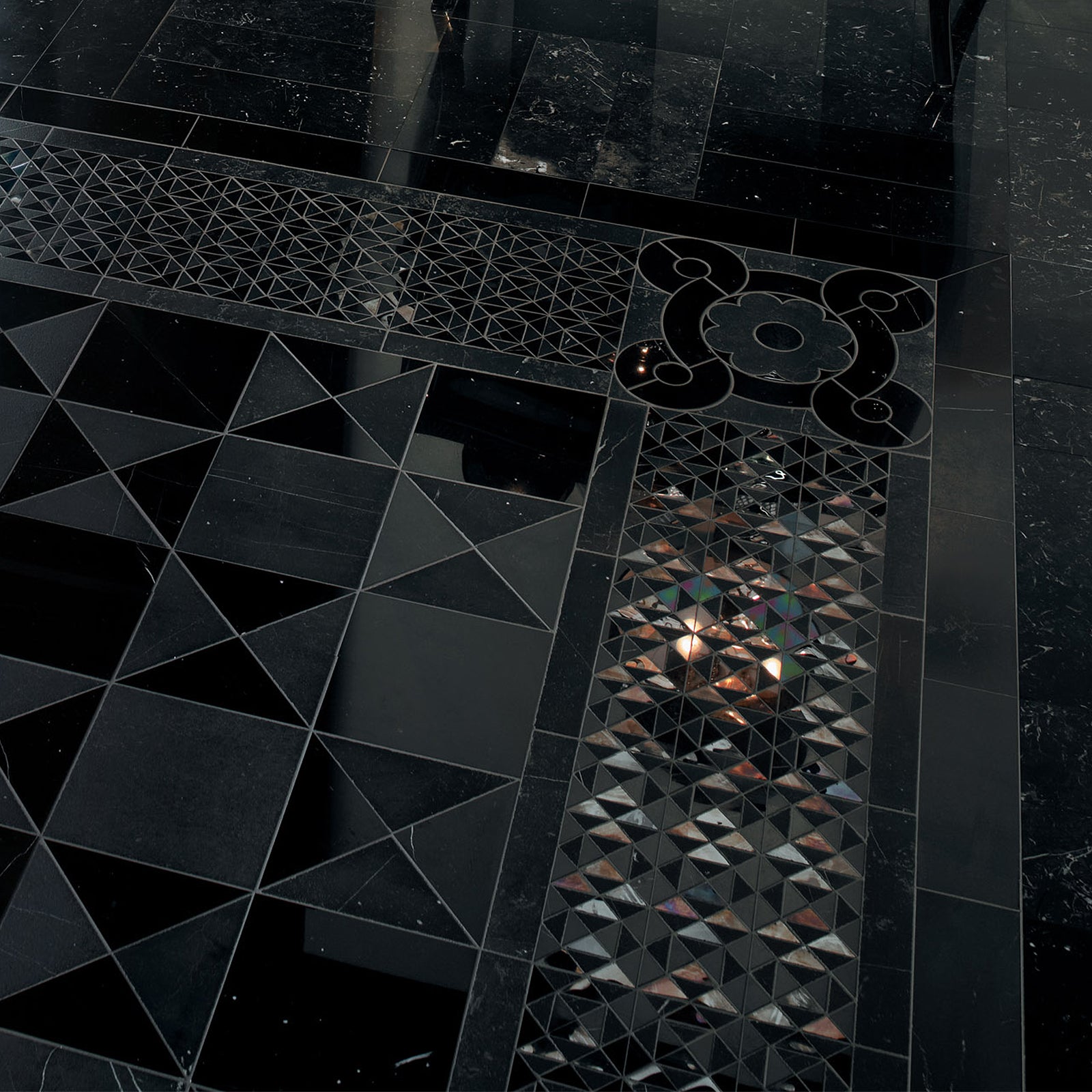
Natural refinement: for marble mosaic, grout suitability and a test for discolouration, edge effects and surface changes are important. A suitable grout colour can complement the stone's pattern.
Applying two-component epoxy resin grout requires a little more care than conventional grout. Here are some practical tips:
A suitable epoxy grout can offer advantages in resistance, cleaning and design. Whether it is a better choice than a suitable cement-based grout depends on the covering, exposure, application and product approvals.

Our recommendation: Starlike® Evo epoxy resin grout by Litokol. Order now from Tiamont.
Pot life is the period during which a two-component epoxy grout remains workable after mixing, before it hardens too much. It begins when components A and B have been fully mixed and, depending on the product and temperature, is usually between 60 and 80 minutes at approx. 20–23 °C. During this time, the material should be applied to the surface and worked into the joints - afterwards, it becomes too firm to apply cleanly.
Epoxy grout consists of epoxy resin and a hardener, giving it greater resistance to chemicals, water and stains. Cement-based grout is more porous and tends to absorb stains and discolour over time.
Yes, epoxy grout is versatile and can be used for ceramic tiles, porcelain tiles, mosaic tiles, glass mosaic tiles and marble mosaic tiles.
Epoxy grout is very easy to maintain. Simply use a mild cleaning product and a damp sponge to remove stains and dirt. Avoid harsh chemicals that could damage the surface.
Yes, epoxy grout is generally more expensive than cement-based grout. However, the higher cost is offset by its longer lifespan and lower maintenance costs. Depending on the quality standard, a 5 kg bucket of two-component epoxy grout costs between 120 and 170 euros on average, plus delivery charges within Germany.
Applying epoxy grout requires a little more care and experience than conventional grout. If you are skilled at DIY and carefully follow the manufacturer’s instructions in the technical product data sheet, you can apply it yourself. Otherwise, it is advisable to call in a professional.

At Tiamont, you will find a carefully selected range of elegant bathroom furniture with the finest marble.
High-quality workmanship and masterful craftsmanship come together to create this exceptional bathroom furniture. Walnut meets an Emperador marble top.